Hi Bourbon enthusiast
You must be 21 or over to enter this website. If you're not old enough to drink, then you're not old enough to read Breaking Bourbon.
Please read and drink responsibly.
You must be 21 or over to enter this website. If you're not old enough to drink, then you're not old enough to read Breaking Bourbon.
Please read and drink responsibly.

Classification: Straight Bourbon
Company: MGP
Distillery: Sourced from an undisclosed Kentucky distillery(ies)
Release Date: June 2026
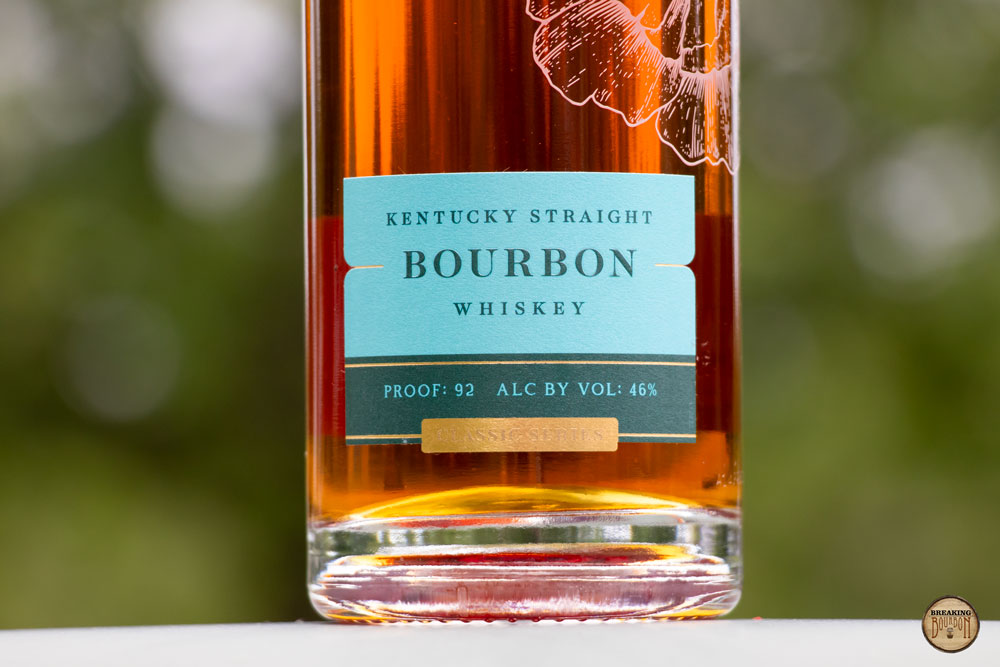
Proof: 92
Age: NAS (Aged at least 4 years per TTB regulations)
Mashbill: 78% Corn, 10% Rye, 12% Malted Barley
Color: Light Bronze
SRP: $45 / 750mL (2026)
Caramel cream | Oak | Vanilla | Nutmeg | Faint dried tobacco leaf | Orange rind
Oak | Faint rye spice | Candied orange | Touch of brown sugar | Light cinnamon stick | Leather | Vanilla cream | White peppercorn
Baking spices | Lightly charred oak | Leather | Brown sugar | Faint burnt caramel | Dried tobacco leaf | Short
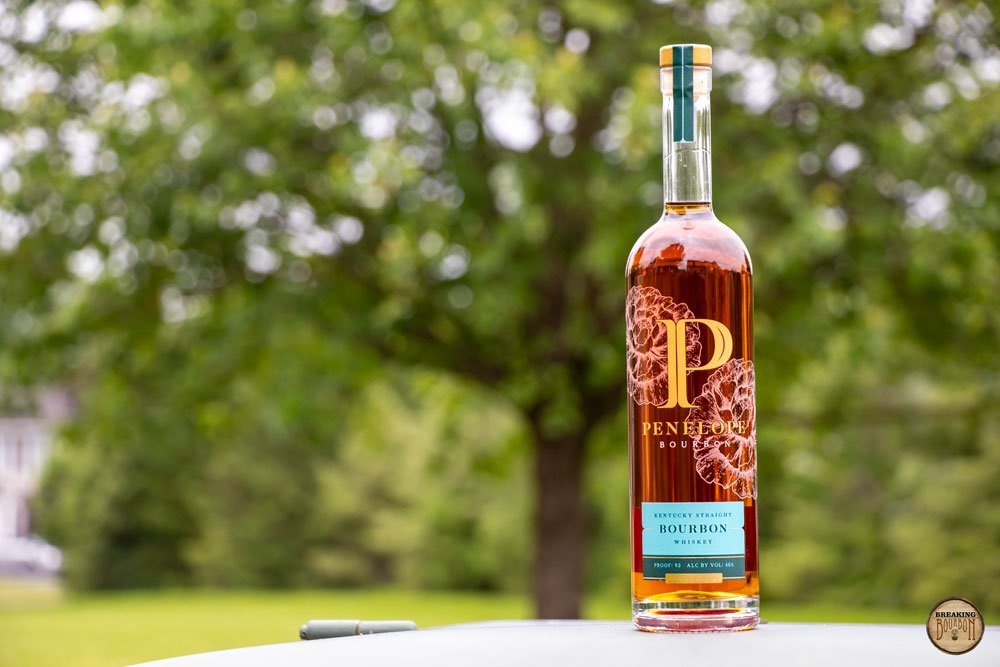
Leaning into its “Classic” moniker, Penelope Kentucky Straight Bourbon delivers a traditional bourbon flavor profile and is complementary to the company’s core bourbon products.
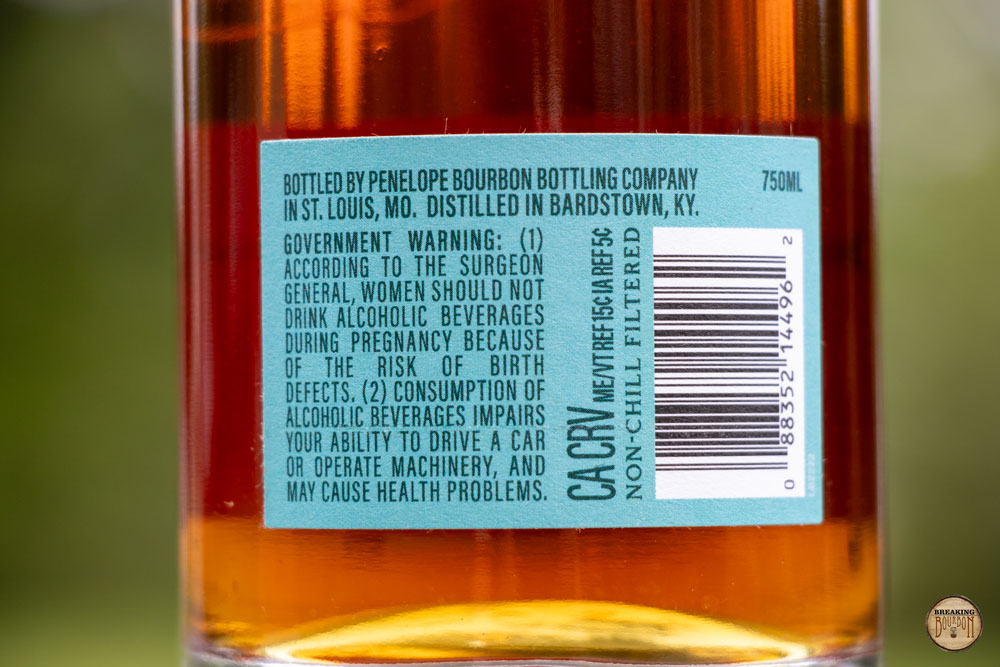
While Penelope has slowly expanded their Core Series of whiskeys over the years, it’s always been anchored by their Four Grain Bourbon. Distilled in Indiana, Penelope likely realized that some consumers gravitate towards Kentucky-distilled whiskey only. The introduction of the company’s new Classic Series consists of two initial products: Kentucky Bourbon and Kentucky Rye. While no distillery is listed, given that the bourbon is distilled in Bardstown, Kentucky, and that Lux Row Distillers, which is also owned by MGP and located there, it would be safe to assume that a portion, if not all, of the bourbon originates from that distillery.
Penelope Kentucky Straight Bourbon seemingly embraces its Classic name, as it’s clear that the company was going for a more traditional tasting sip. A traditional aroma greets you, offering a pleasing balance between sweet and dry scents. Traditional flavors expand in the palate as spice, oak, and a pleasing swirl of sweet notes focused on candied orange and vanilla cream emerge. While the finish is on the shorter side, it delivers a dose of drier notes that are balanced thanks to its brown sugar and faint burnt caramel, which adds contrast.
Penelope Kentucky Straight Bourbon complements the company’s Four Grain Bourbon nicely. Affording consumers the chance to dial in grain preferences (3 grain vs 4 grain) and state distillation preferences (Kentucky vs. Indiana) at similar price points is pretty smart. Consumers appreciate choices, and not only are the resulting whiskeys different from each other, but both are also good bourbons that fill different flavor profile needs.







.png)